Dropper Assembly Selection for Serums: Technical Considerations for Precision Dispensing
The serum category has experienced substantial growth within the beauty and personal care industry over the past decade, driven by consumer demand for targeted treatments addressing specific skin concerns. From vitamin C brightening serums to retinol anti-aging formulations, hyaluronic acid hydrators to peptide-based repair treatments, serums occupy an increasingly prominent position in skincare routines and represent significant revenue opportunities for cosmetics brands.
Unlike traditional creams or lotions, serums are typically formulated with higher concentrations of active ingredients in lightweight bases designed for rapid absorption. This formulation approach creates unique packaging challenges. The concentrated nature of serum formulations means that precise dispensing becomes critical—consumers expect to use exact amounts as directed, and brands must ensure that packaging delivers consistent doses throughout the product's life. Overdelivery wastes expensive formulations and may cause skin irritation from excessive active ingredient application. Underdelivery frustrates consumers and may lead to perceptions of product inefficacy.
The selection of appropriate dropper assemblies for serum packaging involves multiple technical considerations that affect product delivery, formula stability, and manufacturing efficiency. In the beauty packaging and cosmetics packaging industries, where serums represent a significant product category, understanding the functional requirements of dropper systems helps brands make informed decisions about component selection.
Dropper assemblies serve multiple functions beyond simple product dispensing. They must protect formulations from contamination, minimize air exposure that can degrade sensitive active ingredients, provide intuitive operation for consumers, withstand the chemical environments created by various serum formulations, and maintain consistent performance from first use through product depletion. Each of these requirements influences component selection decisions and affects both the consumer experience and the product's shelf stability.
The technical complexity of dropper assembly selection often receives insufficient attention during product development, with some brands treating closure selection as an afterthought or purely aesthetic decision. However, mismatches between dropper specifications and formulation characteristics can lead to significant problems: serums that won't dispense properly, oxidation of active ingredients due to excessive air exchange, chemical interactions between packaging materials and formulation components, or premature component failure that prevents consumers from accessing remaining product. These failures not only generate consumer complaints and returns but can damage brand reputation in highly competitive cosmetics packaging markets.
This article examines the technical aspects of dropper assembly design, material compatibility considerations, and practical factors that influence component selection for serum packaging applications. By understanding the engineering principles and material science underlying dropper assembly performance, formulators, packaging engineers, and brand managers can make more informed decisions that optimize both product stability and consumer satisfaction.
 Understanding Dropper Assembly Components
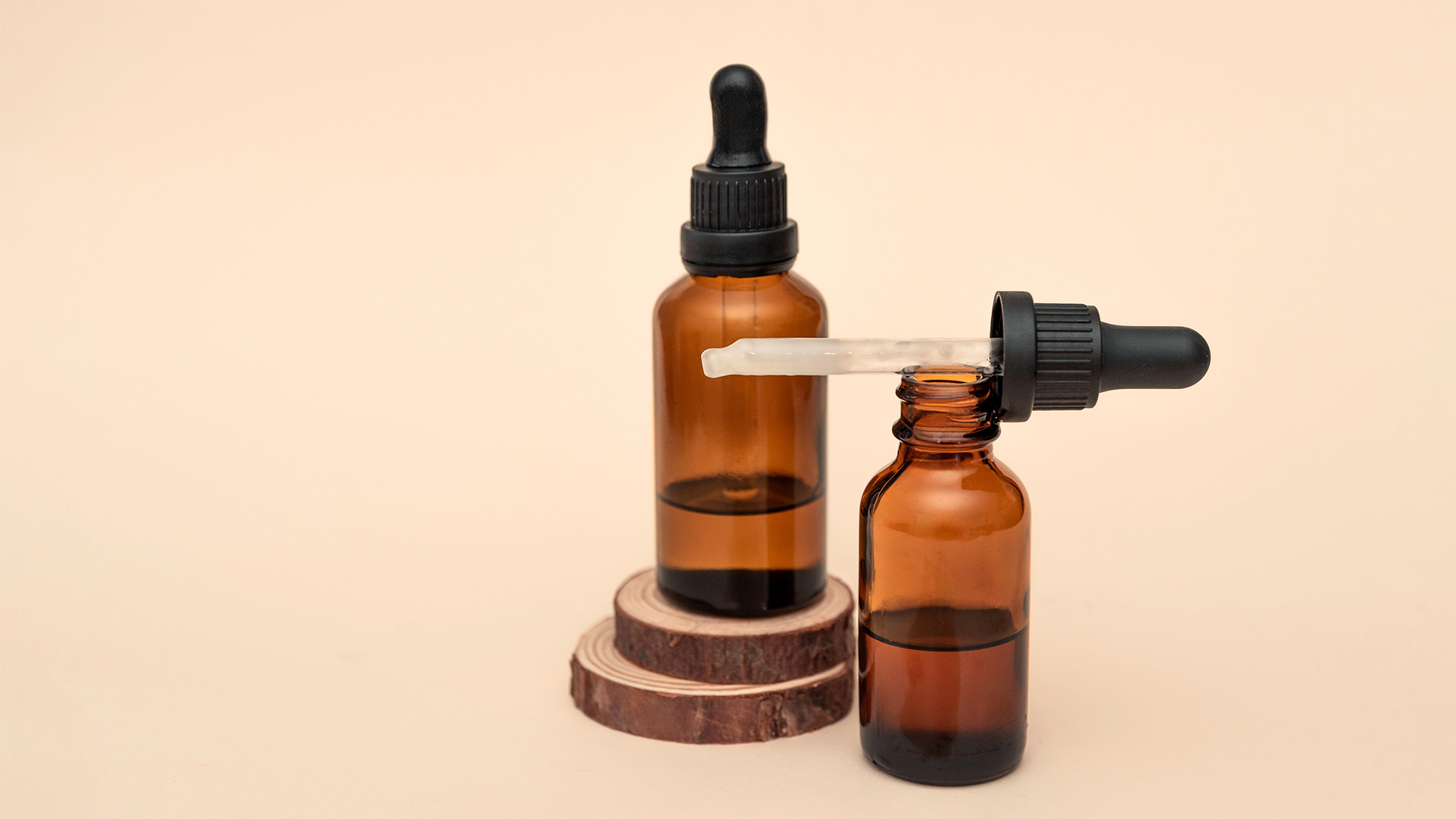
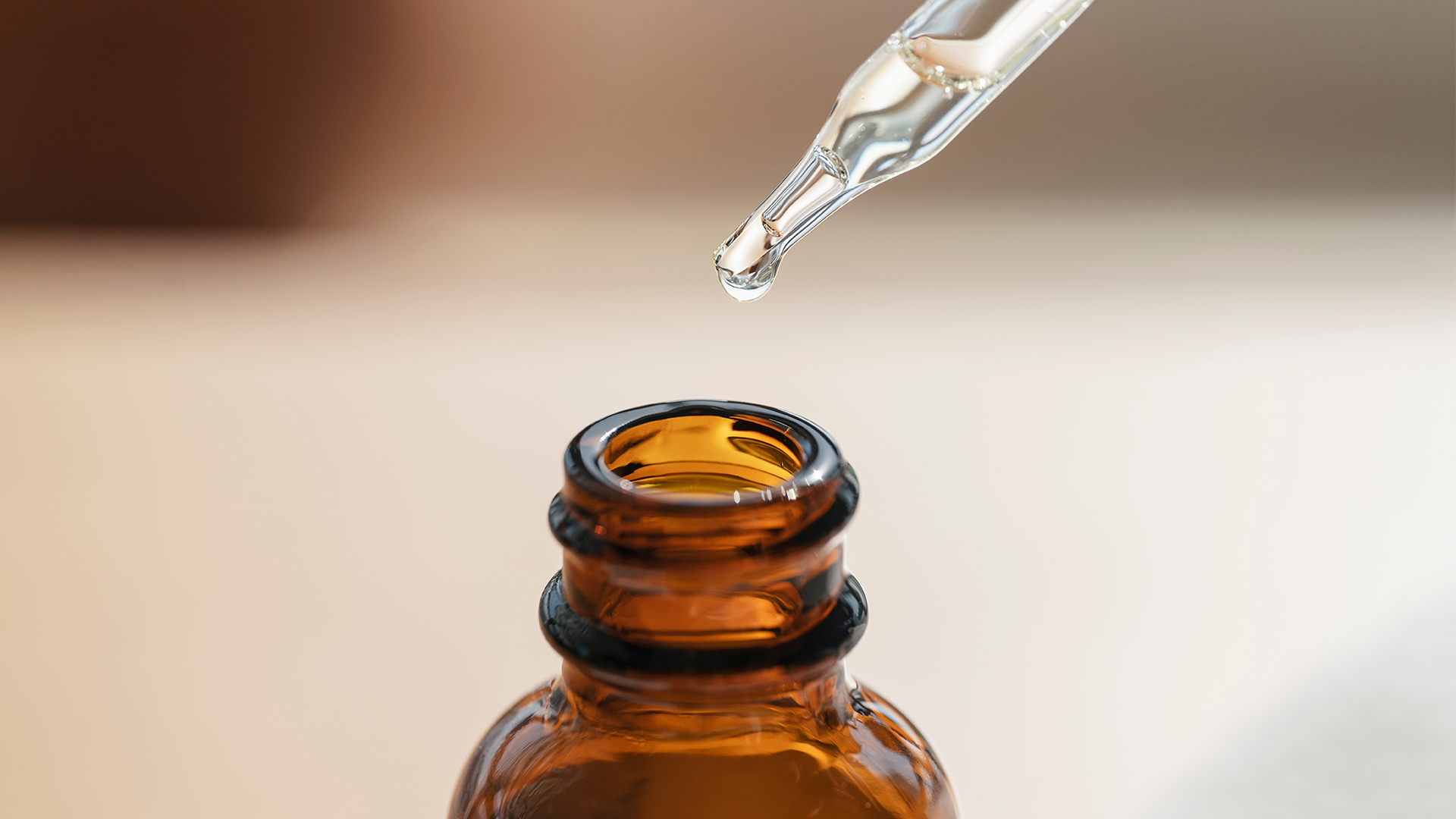
A standard dropper assembly consists of three primary components: the bulb (also called a teat), the pipette (the glass or plastic tube), and the collar (which threads onto the bottle neck). These components must work together as a system to deliver product dispensing.
The bulb creates suction when compressed and released, drawing liquid up through the pipette. Bulb materials typically include natural rubber, silicone, or thermoplastic elastomer (TPE). Each material offers different properties in terms of chemical resistance, temperature tolerance, and durability.
Silicone bulbs generally provide better chemical resistance compared to natural rubber and maintain elasticity across wider temperature ranges. This makes silicone potentially more suitable for formulations containing oils, certain solvents, or other compounds that might interact with natural rubber over time.
Natural rubber offers elasticity and is typically cost-effective, but may not be compatible with all cosmetic formulations, particularly those containing essential oils or certain preservatives.
TPE materials represent an intermediate option, with performance characteristics that vary significantly based on the specific TPE formulation used.
 Pipette Design Variables
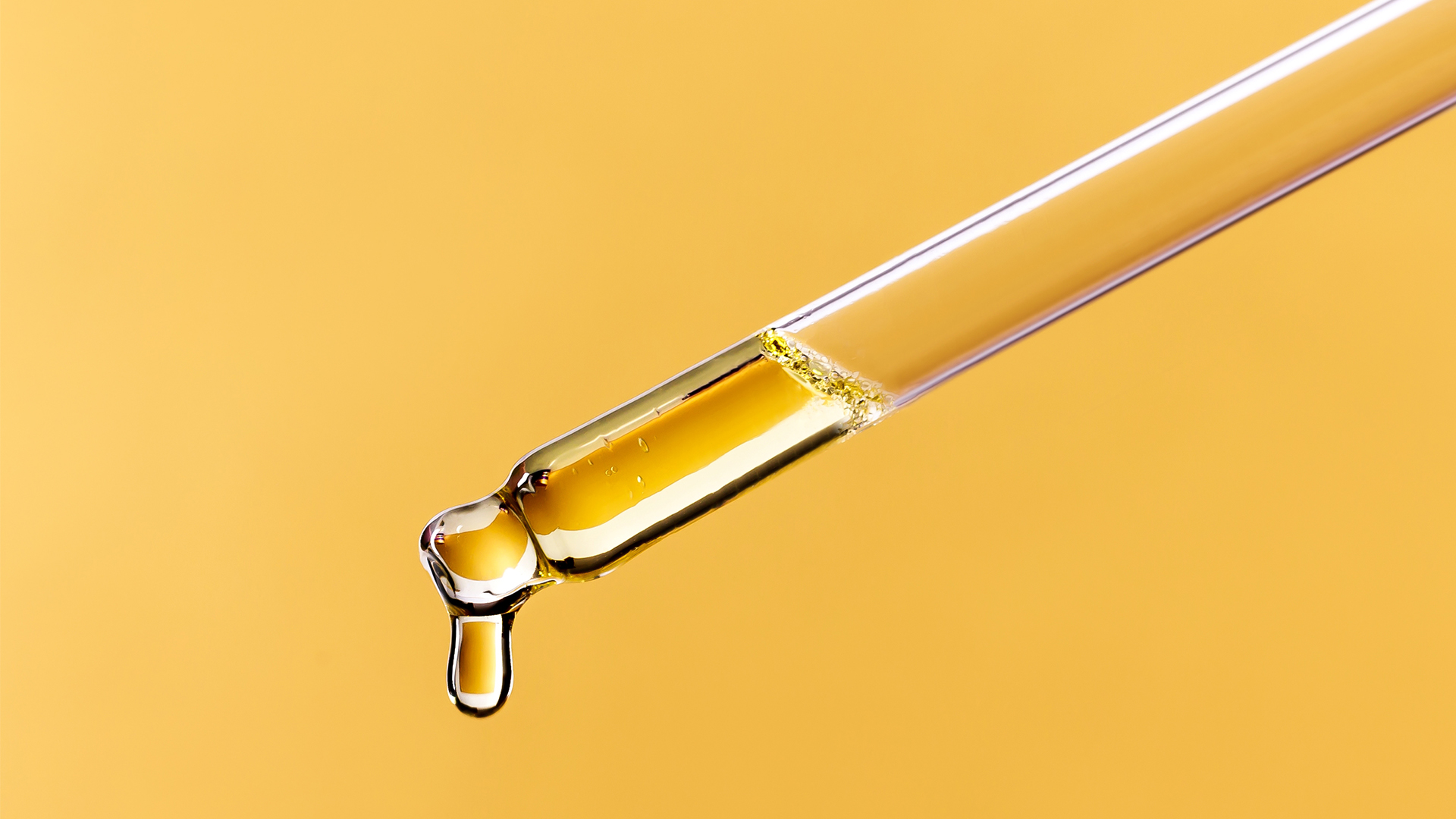
Pipette bore diameter—the internal diameter of the tube—affects which formulations can be successfully dispensed. Based on basic fluid dynamics principles, viscosity and bore diameter have a relationship: higher viscosity liquids require larger bore diameters to flow effectively.
Water-like serums with low viscosities can typically be dispensed through smaller bore diameters. Oil-based serums or formulations with higher viscosities may require larger bore diameters to prevent restricted flow.
Pipette length must be calculated based on bottle height and the desired level of product evacuation. Standard practice suggests pipette length should allow the tip to reach near the bottle bottom when the dropper is fully inserted, though this varies based on specific bottle geometry.
Glass pipettes offer chemical inertness, making them suitable for formulations sensitive to plastic interactions. However, glass adds weight and fragility compared to plastic alternatives.
 Material Compatibility Considerations
Chemical compatibility between dropper assembly materials and serum formulations represents a critical consideration. Certain active ingredients commonly used in serums can interact with dropper components in ways that affect either the component integrity or the formula stability.
Essential oils, for example, can cause swelling or degradation of some rubber compounds. Formulations with low pH values (acidic serums) may interact with certain bulb materials over time. Compatibility testing should be conducted to identify potential issues before commercialization.
The challenge is that formulation chemistry varies significantly across products, and manufacturers typically conduct internal testing or rely on component supplier guidance for specific formulation-material combinations.
 Neck Finish Standards
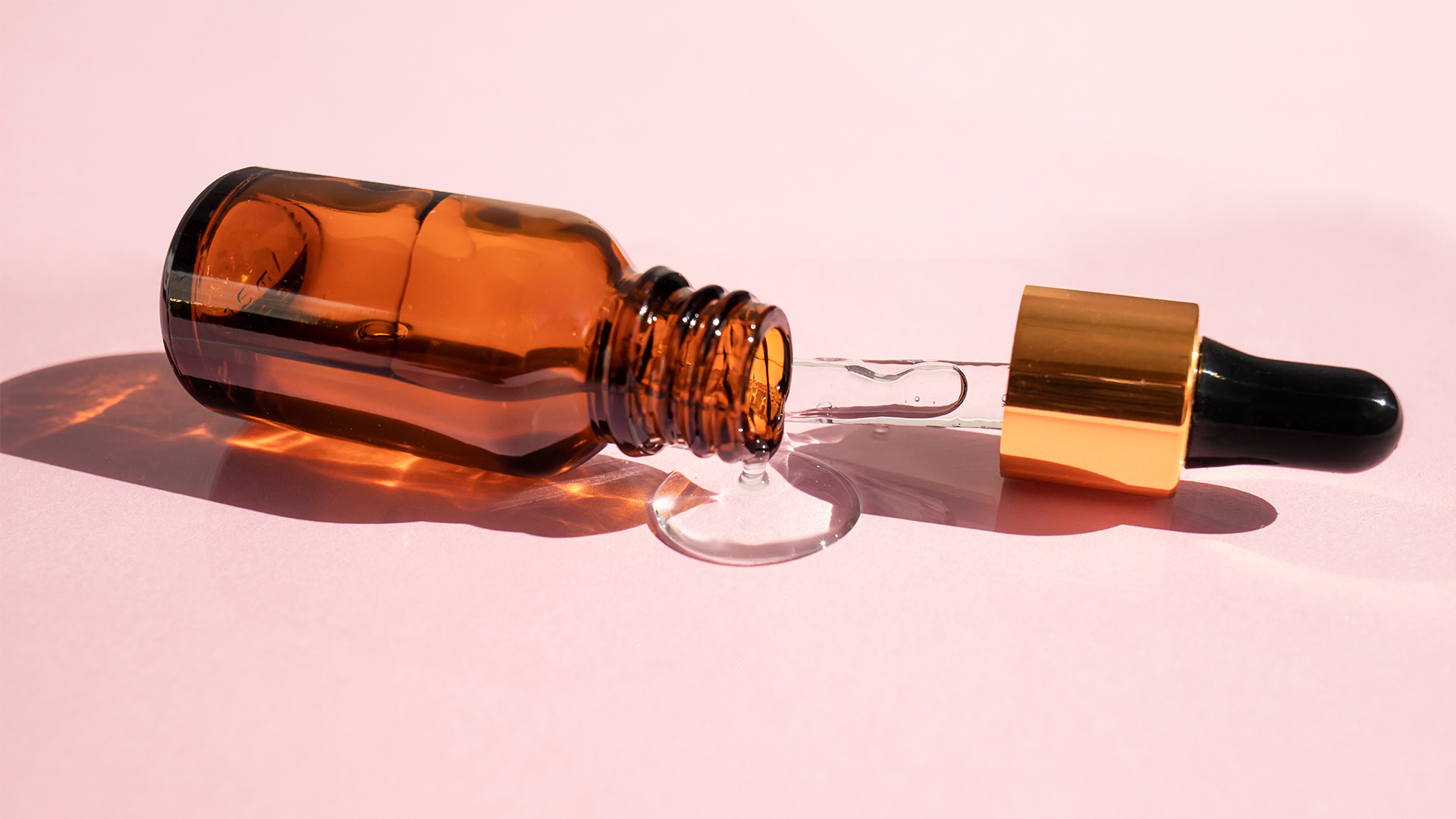
Botle neck finishes follow standardized sizing conventions in the packaging industry. Common neck finishes for serum bottles include designations like 18-400, 18-415, 20-400, and 20-410, where the first number indicates the outer diameter of the bottle neck in millimeters and the subsequent numbers relate to the thread configuration.
The collar of the dropper assembly must match the bottle's neck finish to ensure proper threading and seal integrity. A proper seal prevents leakage, minimizes air exchange that could oxidize sensitive ingredients, and maintains product integrity throughout shelf life.
 Oxidation Protection Considerations
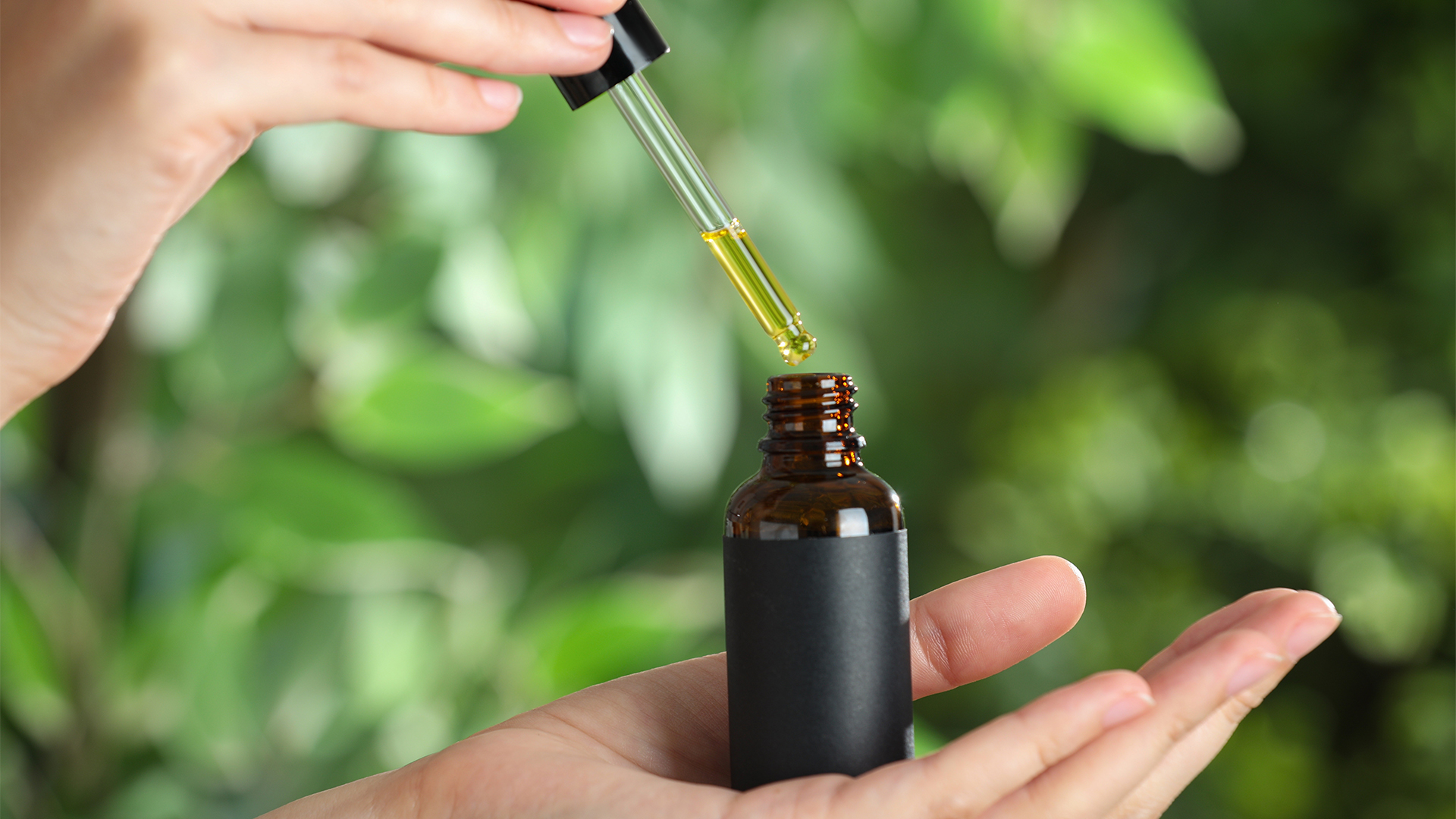
Many serum formulations contain ingredients sensitive to oxidation, including vitamin C (ascorbic acid), vitamin E (tocopherol), retinol, and certain peptides. Each time a dropper assembly is used, air enters the bottle to replace the dispensed volume, potentially accelerating oxidation of sensitive ingredients.
Packaging systems that minimize air exposure can help maintain stability of oxidation-sensitive ingredients. Some dropper designs incorporate features intended to reduce air exchange, though effectiveness varies. Airless dispensing systems represent an alternative approach that eliminates air introduction entirely, though at significantly higher component costs.
 Viscosity and Dispensing Performance
Serum formulations span a wide viscosity range. Water-based serums may have very low viscosities (similar to water), while oil-based serums or those with suspended particles may have significantly higher viscosities.
The relationship between viscosity and dispensing performance through droppers follows fluid mechanics principles. Higher viscosity fluids experience greater resistance to flow through narrow channels, requiring either increased bore diameter, longer draw time, or stronger suction (bulb compression) to dispense effectively.
Component suppliers typically provide guidance based on testing with various formulation types when matching dropper specifications to serum viscosities.
 Quality Considerations in Component Selection
Manufacturing consistency affects dropper assembly performance. Variables including bulb hardness (durometer), pipette dimensional tolerances, and collar threading precision can impact functionality.
Durometer, measured on the Shore A scale for elastomeric materials, typically ranges from 30-70 Shore A for dropper bulbs. Lower durometer values indicate softer, more easily compressed materials, while higher values indicate firmer materials requiring more force to operate.
Standard practice involves establishing specifications for critical dimensions and conducting quality testing on incoming components, though specific testing protocols vary by manufacturer and application requirements.
 O.Berk's Packaging Capabilities
O.Berk has operated in the packaging industry for over 100 years, evolving from a small family-run company founded in Newark, New Jersey in 1910 by Osias Berk. According to the company's own materials, O.Berk currently serves over 3,500 consumer brands in the household, beauty and pharmaceutical industries through a regional and national distribution network.
The company maintains what it describes as "one of the largest glass and plastics manufacturing networks in the industry" and offers services spanning from concept to delivery. For brands developing beauty packaging and cosmetics packaging, O.Berk positions itself as capable of managing projects end-to-end.
O.Berk's stated approach to sustainability emphasizes "cutting through the noise to ensure that we're delivering valid sustainability claims that take into account the entire product lifecycle and currently available waste processing technologies in the market." This focus on lifecycle analysis rather than isolated metrics may help brands evaluate the environmental implications of different dropper assembly choices.
The company offers what it calls "Beyond Stock" capabilities—services designed to provide innovation and customization options beyond standard catalog items. This approach potentially allows modifications to existing dropper platforms without the full investment required for completely custom tooling. Learn more about O.Berk's capabilities and their beauty and personal care focus.
 Cost Factors in Dropper Assembly Selection
Component costs vary significantly based on materials, customization level, and order quantities. Stock dropper assemblies from packaging suppliers vary in price depending on materials and specifications, with glass pipettes generally commanding higher prices than plastic alternatives.
Custom tooling for proprietary dropper designs requires upfront investment. This investment must be weighed against the potential benefits of differentiation and optimized performance for specific formulations.
 Practical Selection Criteria
When selecting dropper assemblies for serum packaging, formulators and packaging engineers should consider multiple factors:
Formulation characteristics including viscosity, chemical composition, pH, presence of particles or suspended ingredients, and sensitivity to oxidation or light exposure all influence appropriate component selection.
Regulatory requirements may apply for pharmaceutical or over-the-counter applications, where dropper assemblies may need to meet specific standards for materials and manufacturing processes.
Brand positioning and cost targets must align, as component selection should support overall product positioning and retail price points to maintain appropriate margins.
Manufacturing and filling considerations are important, as dropper assemblies must be compatible with filling equipment and assembly processes, including any automated capping systems.
Sustainability goals increasingly influence cosmetics packaging development, including considerations of material recyclability, use of post-consumer recycled content, and potential for refillable systems.
 The Role of Integrated Packaging Partners
Working with experienced packaging suppliers provides access to material knowledge, component testing capabilities, and supplier relationships that can accelerate development timelines and help identify potential technical issues before they impact production.
For brands developing serum products, an integrated approach to packaging—where bottles, closures, and dropper assemblies are coordinated through a single supplier—can streamline supply chain management, ensure component compatibility, and potentially reduce lead times.
O.Berk positions itself in this integrated supplier role, managing projects "from concept to delivery" and providing what the company describes as expertise in finding "the right package for each customer." For brands seeking to optimize their serum packaging, this type of partnership approach may offer advantages over coordinating multiple component suppliers independently.
 Technical Consultations and Next Steps for Serum Packaging Projects
Dropper assembly selection for serum packaging requires balancing technical requirements, material compatibility, cost considerations, and practical manufacturing factors. While specific published research on many aspects of dropper performance is limited, fundamental principles of material science, fluid dynamics, and packaging engineering provide a framework for making informed decisions.
Key considerations include material compatibility with formula chemistry, appropriate pipette bore diameter for the product's viscosity, proper neck finish matching for seal integrity, and bulb material selection based on chemical resistance requirements and expected product shelf life.
As the serums category continues to represent an important segment within beauty packaging, both component suppliers and brands benefit from systematic approaches to dropper assembly selection that consider formulation requirements, quality standards, and supply chain realities.
For brands developing new serum products or optimizing existing serum packaging, consultation with experienced packaging partners like O.Berk—with over a century of packaging expertise—can provide access to technical knowledge and manufacturing capabilities that support successful product development and commercialization.