



What Are PCR Plastics And How Are They Used? : O.Berk Company

What Are PCR Plastics And How Are They Used?

What Are PCR Plastics And How Are They Used? : O.Berk Company

Post-consumer resin (PCR) is an environmentally-friendly packaging option that many manufacturers are using in support of recycling programs, consumer demand, and to reduce their impact on landfills.

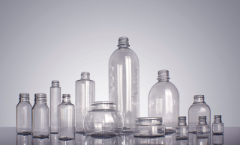
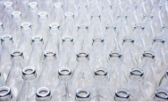
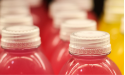
PCR plastics are the recycled materials from existing PET bottles and other plastics. These materials are recycled into other packaging materials through community recycling programs. With an estimated 30 billion bottles of water being sold every year across the United States, there is a serious need for increasing the usage of PCR materials to make new products

How is PCR used?

A wide range of converters now incorporate PCR PET and HDPE sourced from post-consumer streams into their packaging portfolios. These materials undergo rigorous sorting, hot-washing, and extrusion into food-grade pellets. This process is validated by FDA Letters of No Objection (LNOs), certifying the resin is safe for direct food contact applications.

Historically, mechanical recycled plastics resulted in polymer degradation, requiring manufacturers to blend in virgin resin to maintain the container's structural integrity. However, significant advancements in decontamination technologies and solid-state polycondensation (SSP) now allow for the production of 100% PCR bottles that rival virgin plastics in both intrinsic viscosity (strength) and optical clarity.

Resins that no longer meet the strict specifications for molding can be repurposed for non-food applications, such as strapping, textile fibers, or plastic lumber. This open-loop recycling process keeps materials in circulation and aligns with circular economy goals by diverting plastic waste from landfills.

What are the benefits of PCR?

PCR plastic is made from plastic we already have and it’s both cost-effective and environmentally friendly. By using what we already struggle to get rid of to protect the planet, manufacturers gain an affordable option for their packaging.

Reprocessing existing plastics uses less energy and fossil fuels. Overall, the environment is saved from excess pollution and wasted resources while manufacturers are still able to produce a viable, durable new plastic bottle.

PCR is also a readily available material, with plenty of opportunities to improve community recycling programs while providing a steady supply of recycled products.

Who is Using PCR Plastics?

The Association of Plastic Recyclers has been working diligently to increase demand for PCR plastics across North America. They have launched an initiative to encourage product manufacturers to use more PCR in their bottling and packaging supplies.

These companies are leading the way towards increased demand for PCR and helping to ensure future use of recycled materials in a number of different products.

To learn more about PCR use and availability, speak with an O.Berk packaging specialist to discuss cost-effective options for plastic bottles and containers. Our experienced team is dedicated to helping you find the most effective packaging solutions for your manufacturing operation. They can also provide you with additional information on sustainable, responsible packaging alternatives.

SHARE THE INFO
Posted by Edward
on 06/12/2018
This Article is Tagged With:
×

SIGN IN

SIGN UP

×

CREATE ACCOUNT

When you sign up for an account you’ll be able to create and share wishlists. We’ll also send you educational articles, market insights and product promotions. You can unsubscribe at any time.
By creating an account, you agree to O.Berk Company’s terms and conditions and privacy policy.
×

TELL US
ABOUT
YOUR PROJECT

Uploaded Files:

Drop file here (Maximum 4MB in PDF, JPG, PNG file format)

-or-
WOULD YOU LIKE TO CREATE AN ACCOUNT?
×

FORGOT PASSWORD

SIGN IN